HOME / Reconstructive Surgery / Lymphedema

Lymphedema
Every person is different.
Treatment tailored to you.
Lymphedema differs from person to person. Appropriate treatment depends on how much lymphatic function remains and how much adipose tissue has accumulated.
Based on clinical examination and imaging, I design treatment using LVA, liposuction, and conservative therapy in combination. This page explains the treatment approach and perioperative pathway for patients whose surgery I will perform.
01
Selecting Treatment
How Treatment Is Selected
Although the diagnosis may be the same, the underlying tissue changes vary. Early lymphedema is primarily fluid, but adipose tissue can increase over time, followed by progressive fibrosis. The treatment likely to help depends on this stage.
The first step is examination of the swelling and skin, followed when appropriate by ICG lymphography to assess lymphatic flow patterns and ultrasound to identify the position and caliber of lymphatic vessels and veins. where functional lymphatic vessels suitable for anastomosis remain. Only after confirming this can the indication and procedure be selected.
LVA, liposuction, and conservative therapy serve different purposes: creating a new drainage pathway, reducing accumulated fat, and limiting further accumulation through daily care. Because their goals differ, one treatment is not applied to every patient.
Learn more about how lymphedema develops Kawabata Clinic ↗
Following assessment,I may conclude that surgery is not the best option. Continuing conservative care may produce a better result, or skin inflammation may need treatment first. When this applies, I explain the reason.
Surgery
Principal Procedures
The two principal operations I perform are LVA and liposuction. In selected cases they are combined.
LVA (Lymphaticovenular Anastomosis)
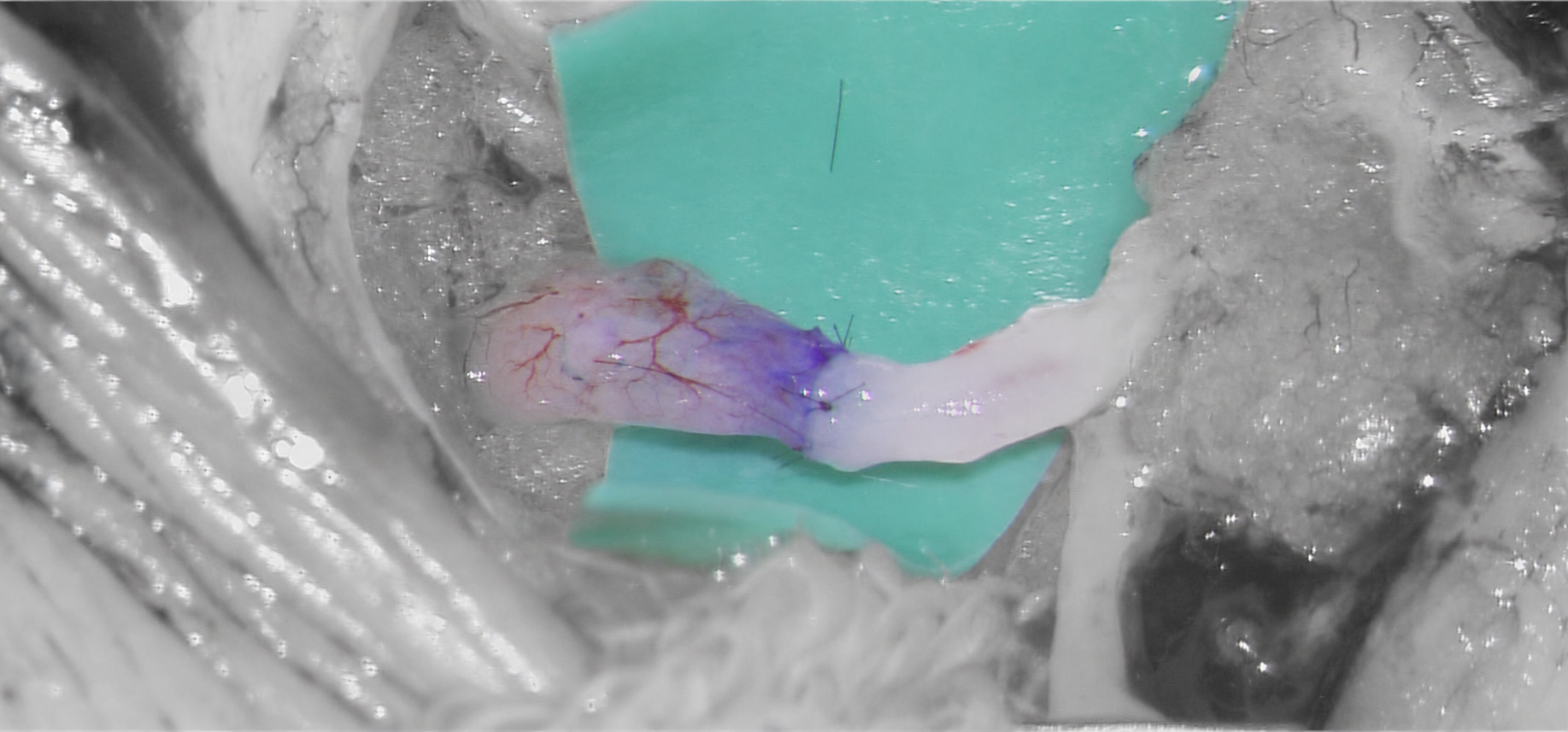
Lymphaticovenular AnastomosisLVA connects a lymphatic vessel to a nearby small vein, creating a new pathway for accumulated lymphatic fluid. Under the microscope, lymphatic vessels and veins approximately 0.3–1 mm in diameter are joined through several small incisions. In many cases, the procedure can be performed as day surgery under local anesthesia; it is associated with relatively few complications and a low physical burden.
Expected Benefits
Expected Benefits
- Relief of swelling, heaviness, and related symptoms
- Reduction in arm or leg circumference
- Prevention or slowing of lymphedema progression
- Reduced frequency of cellulitis
The degree of benefit varies, and compression therapy and follow-up may still be required after surgery.
When It May Be Considered
It may be considered when imaging identifies functional lymphatic vessels and veins suitable for anastomosis.
Limitations
LVA does not cure every case. When disease is advanced and lymphatic vessels have become fibrotic, benefit may be limited. Assessment of effect also takes several months.
Main Risks & Complications
- Insufficient improvement
- Loss of patency over time
- Infection, scarring, or lymphatic leakage
Compression therapy and regular follow-up may still be required after surgery.
LVA is covered by Japanese public health insurance.
Liposuction
Liposuction for LymphedemaIn longstanding lymphedema, enlargement may be caused primarily by adipose tissue rather than fluid. Liposuction reduces limb volume by removing this tissue while selecting planes and directions intended to minimize injury to remaining lymphatics.
When It May Be Considered
Swelling is predominantly adipose, minimally pitting, and interferes with daily life.
Limitations
The procedure does not restore lymphatic function itself.Without continued compression after surgery, enlargement can recur.This requirement is confirmed before surgery.
Main Risks & Complications
- Altered sensation or contour irregularity
- Bleeding, hematoma, or infection
- Re-enlargement if compression is discontinued
Continued postoperative compression is an essential part of this treatment. Duration and pressure are adjusted during follow-up.
Liposuction for lymphedema is self-funded and is not covered by Japanese public health insurance.
Liposuction or fat grafting for asymmetry and contour after breast reconstruction has a different purpose from lymphedema treatment. Breast Reconstruction pageexplains this separately.
Flow
Before and After Surgery
Details vary by facility, but the general pathway is as follows.
01
Consultation: we review prior treatment and clinical course, examine the swelling and skin, and assess the compression garment currently in use.
02
Imaging is performed as required. ICG lymphography and ultrasound identify functional lymphatic vessels and help determine whether surgery is appropriate.
03
The procedure, expected benefits, limitations, and risks are explained.You do not need to decide during the consultation.
04
Surgery: anesthesia and operating time differ by procedure and facility and will be explained individually in advance.
05
Postoperative compression, wound care, and follow-up. The timing for restarting compression is explained at this stage.
06
Follow-up at the treating facility. Changes in swelling are assessed over months, so continued review is important.
02
What Patients Should Know
What to understand
before considering surgery
The degree of improvement variesfrom person to person. Some patients have visible reduction in limb size; others notice only a modest change or less heaviness. Preoperative testing can provide an estimate, but cannot guarantee the outcome.
In addition,surgery alone may not completely resolve lymphedema. Compression, exercise, and skin care may still be needed after surgery. Surgery may reduce their burden or slow progression, but does not replace daily care.
Depending on the condition, another treatment may take priority—for example, when skin infection is recurring or compression therapy has not yet been optimized.
What I consider most important isreaching a shared understanding before surgery of what can and cannot reasonably be expected. I believe this is essential to satisfaction with the result. Please ask any questions before surgery.
Clinics
Facilities & Contact
The care provided differs by facility. Patients who have already been directed to a facility should review the information below.
Kawabata Clinic
Lymphedema assessment, local care, and follow-up
Motomachi MK Building 2F, 3-1-20 Motomachi-dori, Chuo-ku, Kobe 650-0022
TEL 078-321-3412
For Patients Referred to a Facility
Please direct questions about appointments and surgery to the official contact channel of the facility you were given. This website does not accept bookings or provide individual medical advice.
If you are concerned about swelling after cancer treatment, please first consult the institution where your cancer care was provided.